Can You Have More Than One Passport? The Untourist's Guide to Dual Citizenship
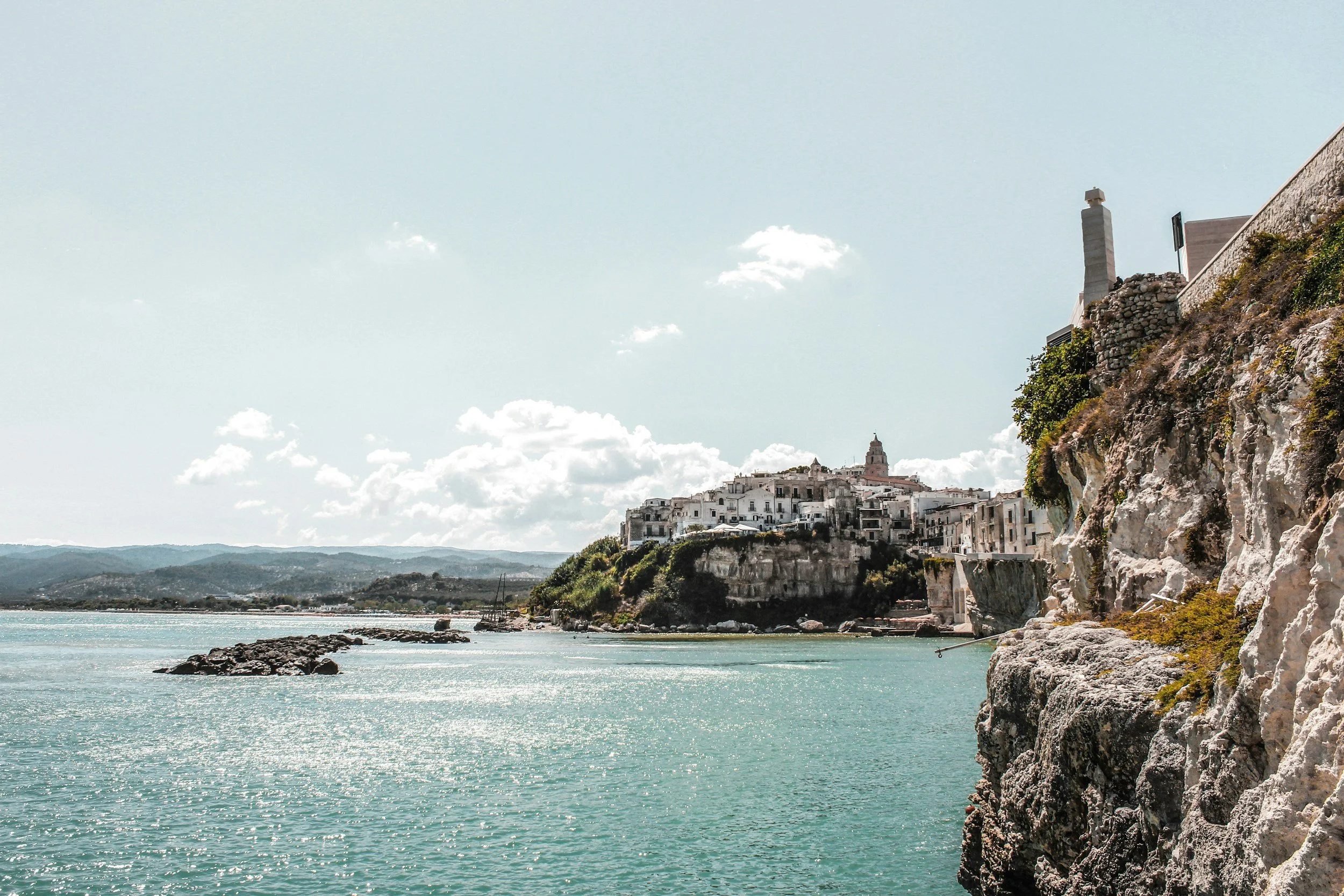
Vieste, at twilight. Stone alleys still warm from the sun. Streetlamps catching the limestone. Somewhere down the coast, the smell of roasting chestnuts drifts from a corner stand.
Most travelers walk through a town like this and leave the next morning. But for a growing number of people in their late thirties through sixties, a different question is starting to surface.
What if this place already belongs to you.
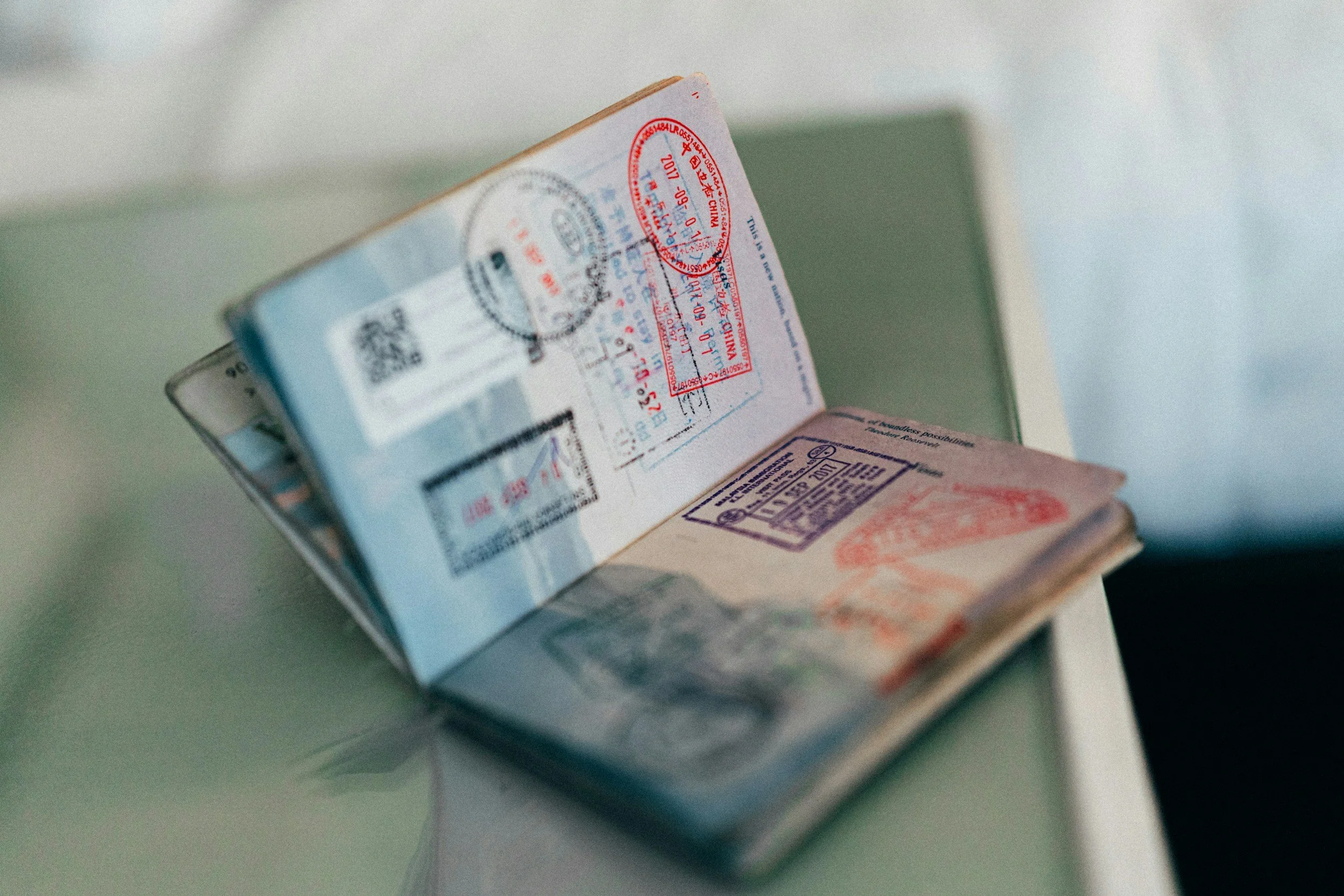
A Different Line at Customs
Every trip you've taken has probably followed the same script. Return ticket. Hotel reservations. A countdown until you're back at your desk. You see a place through a bus window and a museum audio guide, then you leave.
Dual citizenship changes that script.
Through a grandparent who left Cork, a great-grandparent who sailed from Naples, or years spent building a life in Lisbon, a second passport is often closer than people think. And the shift it creates isn't really about border convenience. It's about which line you stand in when you land.
Hand a customs officer a passport with the local crest, and something in the visit changes. You're not passing through. You have a legal right to be there. The place stops being a stage set for a vacation and becomes somewhere your name, or your family's history, already has a foothold.
How the Paths Actually Work
Ireland runs through the Foreign Births Register. If you have an Irish-born grandparent, you're eligible. No language test. No residency requirement. Just documents: birth certificates, a paper trail, and time in the queue at the Dublin registry.
Italy runs on jure sanguinis, citizenship by blood. Families with an unbroken line back to an ancestor from Puglia, Sicily, or Veneto can apply. The process means digging through parish records and naturalization dates. It is slow. It is also one of the more generous ancestry programs in Europe, at least for now.
Portugal opens paths through descent, marriage, and residency. Malta works similarly through direct heritage.
None of these are fast. All of them involve real paperwork and real waiting. But the six months or two years of document collection buys you something a tourist visa never will.
Citizenship requirements change. Before you begin an application, confirm the current rules with the country's official consulate or immigration authority.
What Changes When You Belong Somewhere
This is where S.L.O.W. travel stops being a philosophy and starts being practical.
When a place is legally yours, the urge to cram five countries into eight days disappears. You stop rushing from one landmark to the next because you know you're coming back. Two weeks in one village on the Amalfi Coast starts to make sense. You learn the shopkeeper's name. You know which bakery sells out of bread by ten.
Dual citizenship isn't a shortcut to easier trips. It's a reason to plan your year around the olive harvest in October instead of the crowds in July.
At Leave the Room Travel, we build trips around this kind of belonging, whether you're tracing an ancestral line for the first time or planning a multi-generational trip back to where your family started. You don't need another packed itinerary. You need one built around where you actually come from.
If a second passport might be part of your story, let's map it out. Not so you can visit a country. So you can go home.